
Types
| Type | Use |
|---|---|
| Butterfly damper | Single blade on a shaft, for flow control and isolation in round or square duct. |
| Multi louver damper | Several parallel or opposed blades, for control across a wide range with a linear characteristic. |
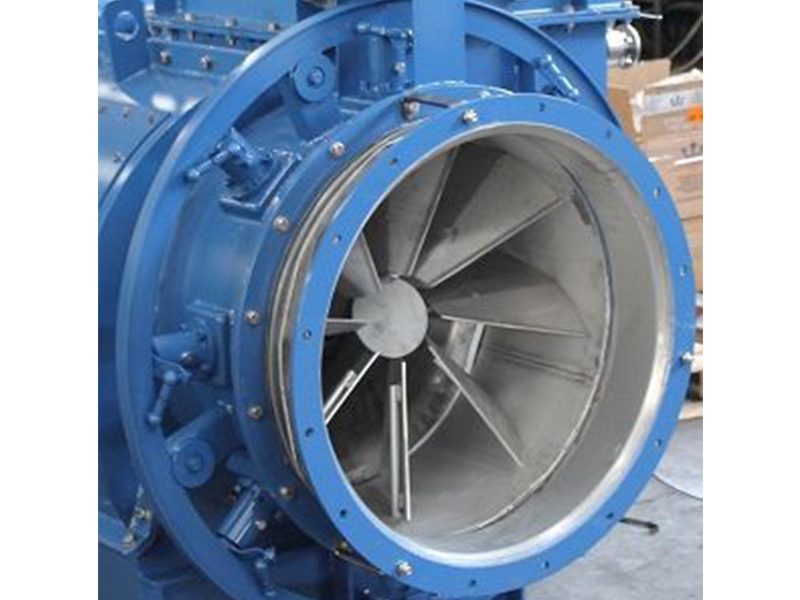
| Inlet vane control damper (IGV) | Radial vanes at the fan inlet that pre-spin the air, giving power saving at part load. Circular only. |
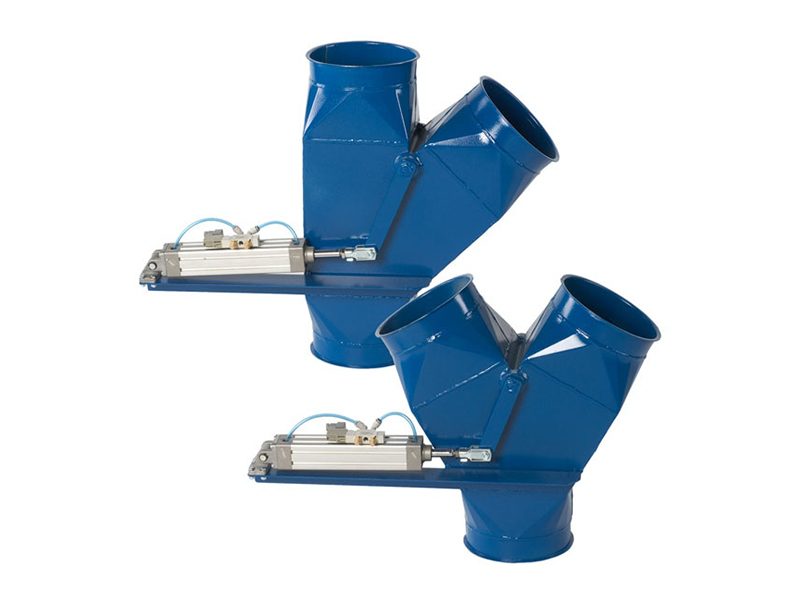
| Diverter damper | Switches the gas between two outlets, as between a bypass and an economiser. |
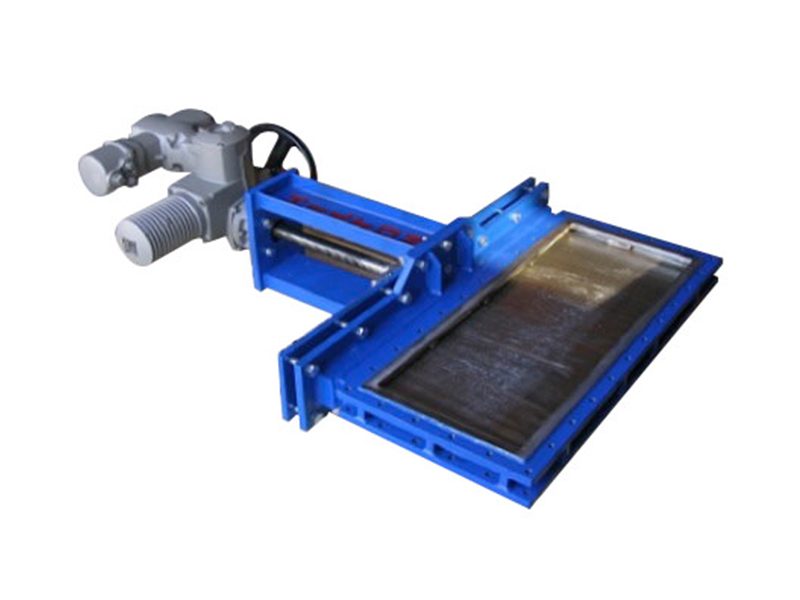
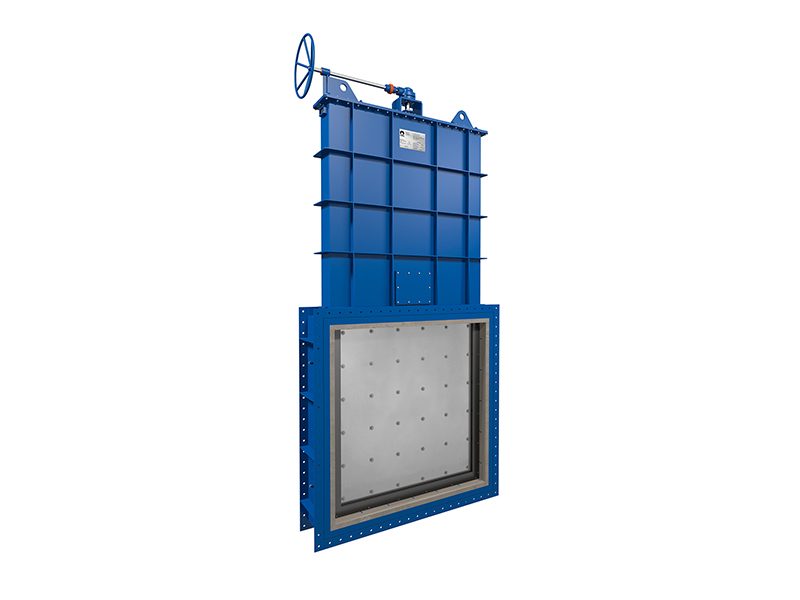
| Guillotine damper | A sliding plate for tight isolation of a duct for maintenance. |
Construction
Materials of construction: mild steel, SS 304, SS 304L, SS 316, SS 316L and SS 310. Dampers can be activated pneumatically, electrically and manually. Depending on the application, sealing efficiency is achieved with various sealing arrangements including seal air arrangement. Offered in circular, square and rectangular shapes, except IGV which is circular only.
Where it is used
Boiler
A boiler house runs on draft. The FD fan pushes combustion air through the air heater into the windbox, the PA fan carries pulverised fuel from the mill to the burners, and the ID fan pulls the flue gas through the economiser, air heater and dust collector to the stack. The ID fan sees the worst duty: hot gas, fly ash and a pressure that rises as the filter loads. Bag filters or multiclones sit ahead of it, and silencers on the FD inlet keep the boiler house within noise limits.
Cement & Lime
A cement line is a chain of fans. The preheater fan sets the kiln draft, the raw mill fan draws hot kiln gas through the mill to dry the meal, the cooler compartment fans blow air up through the clinker bed, the cooler vent fan exhausts the surplus, and the coal mill fan carries pulverised coal to the burner. Air slide blowers move meal and cement around the plant. Every one of these handles abrasive dust, so radial tipped and wear-protected backward curved impellers are the norm, with bag filters or multiclones on each exhaust.
Power
Thermal power stations use the full boiler fan set at the largest sizes: ID fans on the flue gas after the ESP, FD fans for secondary air, PA fans for mill air, and seal air blowers to keep pulverised coal out of the mill bearings. Coal handling plants add dust extraction fans on the crushers and transfer points, with bag filters and cyclones on the collected air.
Iron & Steel
Pig iron and steel plants need fans for the blast furnace stove, the sinter plant, the coke oven and the fume extraction over converters and electric arc furnaces. Combustion air blowers feed the stoves and reheating furnaces. Fume exhaust fans handle hot, dust-laden gas from the melt shop into bag filters. ID fans on the sinter strand and the boiler are built for abrasive dust and high temperature.
Incinerators
Waste incinerators need an ID fan that holds the furnace under draft through the quench, the scrubber and the bag filter, on gas that is hot, wet and corrosive. Dilution air blowers cool the flue gas, wet scrubbers take out acid gas, and adsorption towers on activated carbon remove dioxins and mercury before the stack.
Oil & Gas
Refineries and gas plants use fans on fired heaters and boilers (FD and ID), on flare and vent systems (vent silencers on relief and blow-down lines), and on process vessels where a knock-out drum separates liquid from vapour ahead of a compressor. Explosion-proof motors and spark-resistant construction are standard.
Nuclear
Nuclear facilities use ventilation systems that hold the building under controlled negative pressure, with HEPA-filtered exhaust and AHUs on the supply side. Fans are specified for reliability and for filtration efficiency rather than for dust or heat.
By process
The same duty, selected for the gas of each process.
Information needed to select or quote
- Duty point. Volume flow and static pressure at the fan inlet, with the gas density and temperature or the conditions to derive it.
- Operating conditions. Site altitude, normal operating temperature and continuous or intermittent duty.
- Gas stream. Dust loading and particle size, corrosive species, moisture, upset temperature and any tendency of the material to deposit on the impeller.
- Mechanical. Rotation viewed from the drive end, discharge orientation and motor power.