

What the fans do here
Refineries and gas plants use fans on fired heaters and boilers (FD and ID), on flare and vent systems (vent silencers on relief and blow-down lines), and on process vessels where a knock-out drum separates liquid from vapour ahead of a compressor. Explosion-proof motors and spark-resistant construction are standard.
Applications in this industry
| Application | What it does | Type usually selected |
|---|---|---|
| FD Fan | Supplies combustion air to a boiler or furnace, pushing ambient air through the air heater and into the windbox against the furnace draft. Clean air, so the blade is chosen for efficiency. | Backward curved and backward inclined |
| ID Fan | Sits at the outlet of a boiler, kiln or furnace and draws the flue gas through the plant to the stack. It handles hot, dust-laden gas at large volume, so it is sized at the hot condition and checked at cold start. | Backward curved, backward inclined and radial tipped |
| Combustion Air Blower | Feeds a burner with air at the pressure the burner register needs. Sized for the burner turndown range, and often fitted with an inlet silencer. | Backward curved and radial tipped |
| Vent Silencer | Cuts the noise from steam or gas expanding from high pressure to atmosphere at safety valve outlets, start-up vents and blow-down lines. | Silencer |
| Mist Eliminator | Separates entrained liquid droplets from a vapour or gas stream, ahead of a compressor, a fan or a stack. | Demister Knockdown Vessel |
| Fan Silencer | An absorptive silencer at the fan inlet, outlet or in the duct, cutting fan noise with minimum pressure loss. | Silencer |
Processes in this industry
Oil and Gas Fired BoilersRefinery Fired HeatersFlare and Pressure Relief SystemsGas Compressor StationsGenerator and Engine Rooms
Equipment supplied
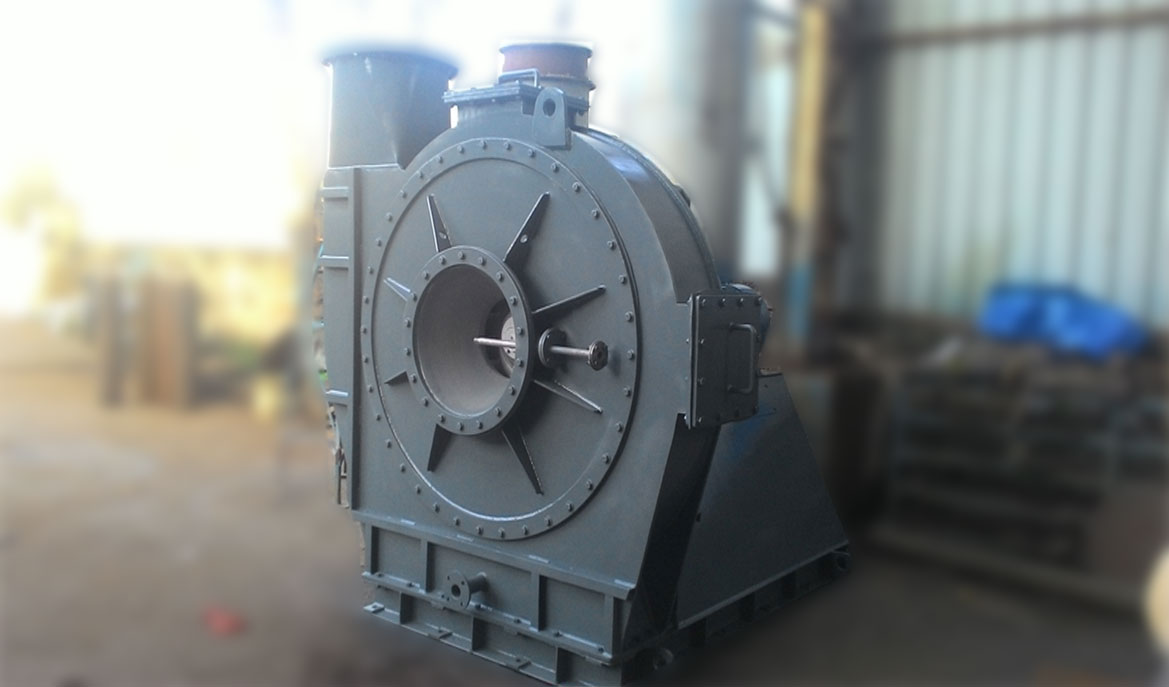
Centrifugal Fans
0.3 to 120 m³/s, 25 to 3120 mmWC single stage. Six blade configurations, three drive arrangements.
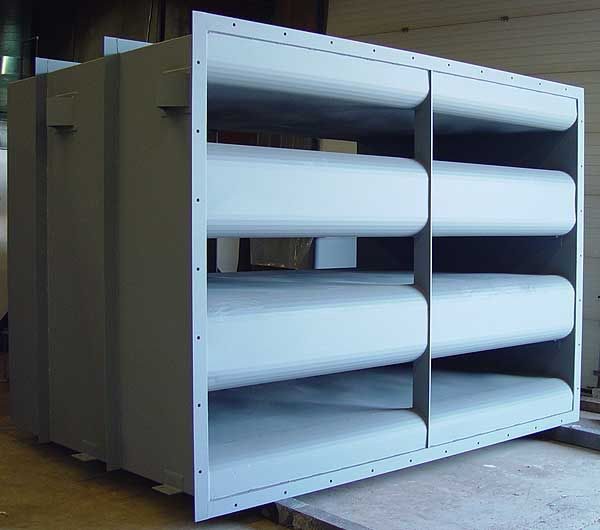
Silencer
Fan silencers for inlet, outlet and duct. Vent silencers for steam and gas blow-down.
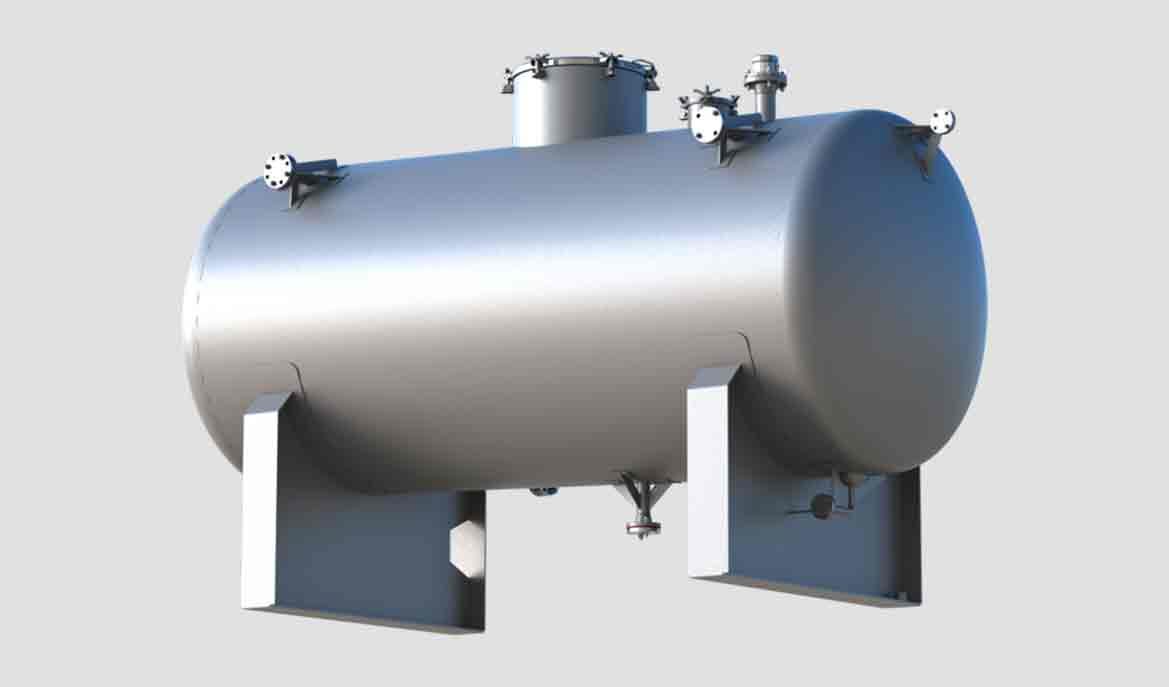
Demister Knockdown Vessel
Vertical or horizontal vessels to separate liquid from a two-phase vapour stream.
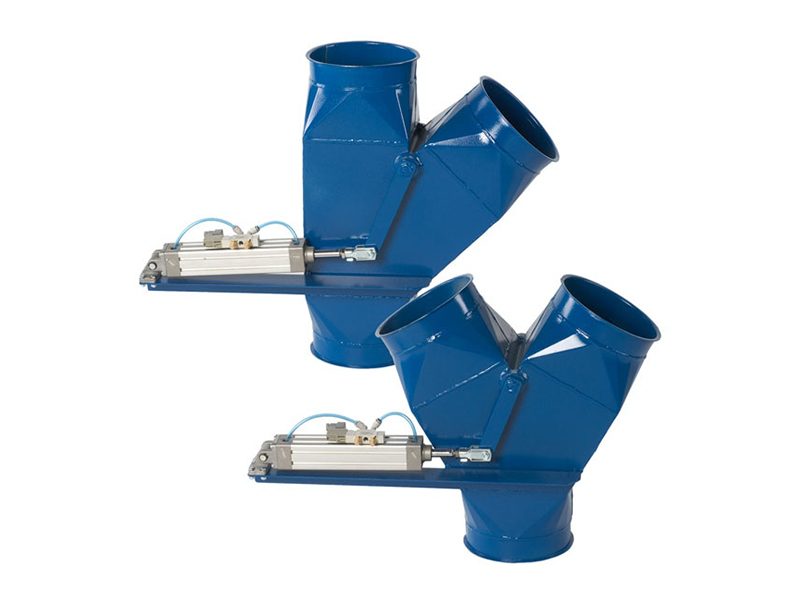
Dampers
Butterfly, multi louver, inlet vane, diverter and guillotine dampers in MS and stainless steel.
Information needed to select or quote
- Duty point. Volume flow and static pressure at the fan inlet, with the gas density and temperature or the conditions to derive it.
- Operating conditions. Site altitude, normal operating temperature and continuous or intermittent duty.
- Gas stream. Dust loading and particle size, corrosive species, moisture, upset temperature and any tendency of the material to deposit on the impeller.
- Mechanical. Rotation viewed from the drive end, discharge orientation and motor power.