
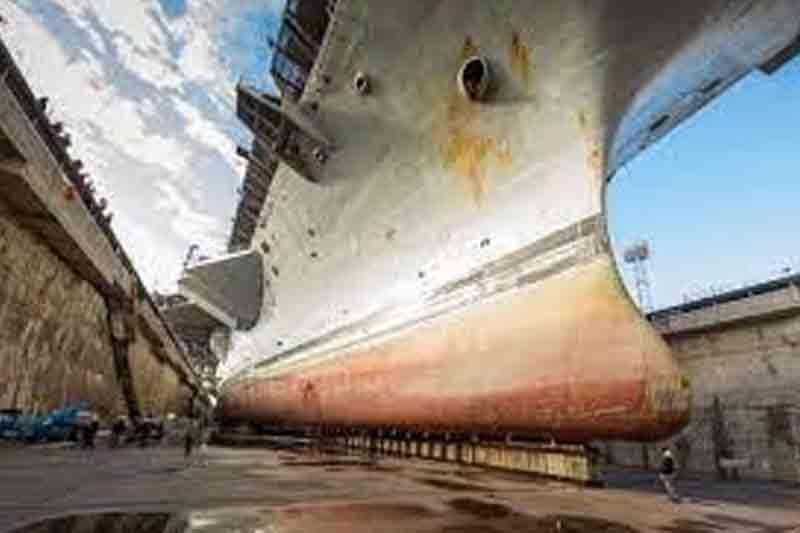
What the fans do here
Shipyards need portable and fixed ventilation for confined-space work inside hulls and tanks, welding fume extraction, and exhaust for blasting and painting halls with dust collection and scrubbing.
Applications in this industry
| Application | What it does | Type usually selected |
|---|---|---|
| Ventilation Fan | Moves air through a plant or building for fresh air supply, heat removal and fume dilution where the system is ducted. Low pressure, long hours, so efficiency and noise set the selection. | Backward inclined and forward curved |
| Fume Exhaust System | Hoods, ducting and an exhaust fan that capture fume at source and deliver it to a scrubber, bag filter or stack. Fan material follows the fume: stainless steel, PP-FRP or rubber lined where it is corrosive. | Backward inclined and radial tipped |
| Dust Collector Fan | The fan behind a bag filter, cyclone or multiclone on a dust extraction system. Placed on the clean side where possible so the blade can be chosen for efficiency. | Backward inclined and radial tipped |
| Roof Extractor | An axial fan in a weatherproof cowl mounted on an inclined or flat roof, exhausting hot air from the ridge of a factory shed. | Axial |
Processes in this industry
Welding and Fabrication ShopsShipyard Hull and Block FabricationBlasting and Painting HallsFactory Shed Ventilation
Equipment supplied
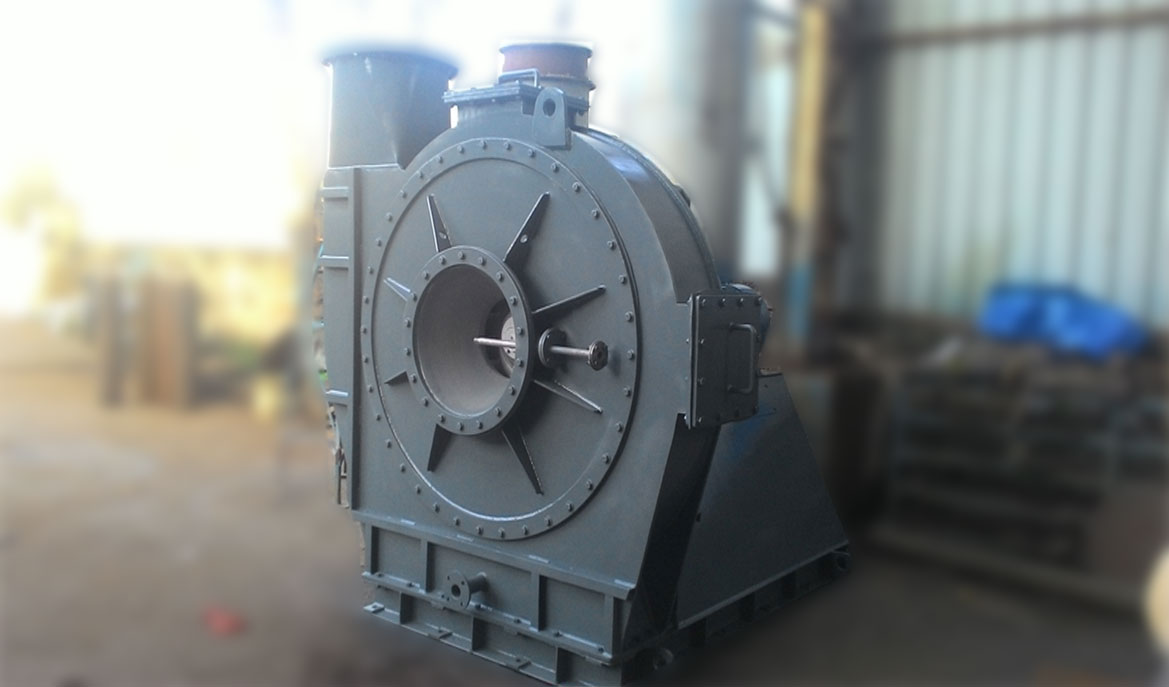
Centrifugal Fans
0.3 to 120 m³/s, 25 to 3120 mmWC single stage. Six blade configurations, three drive arrangements.
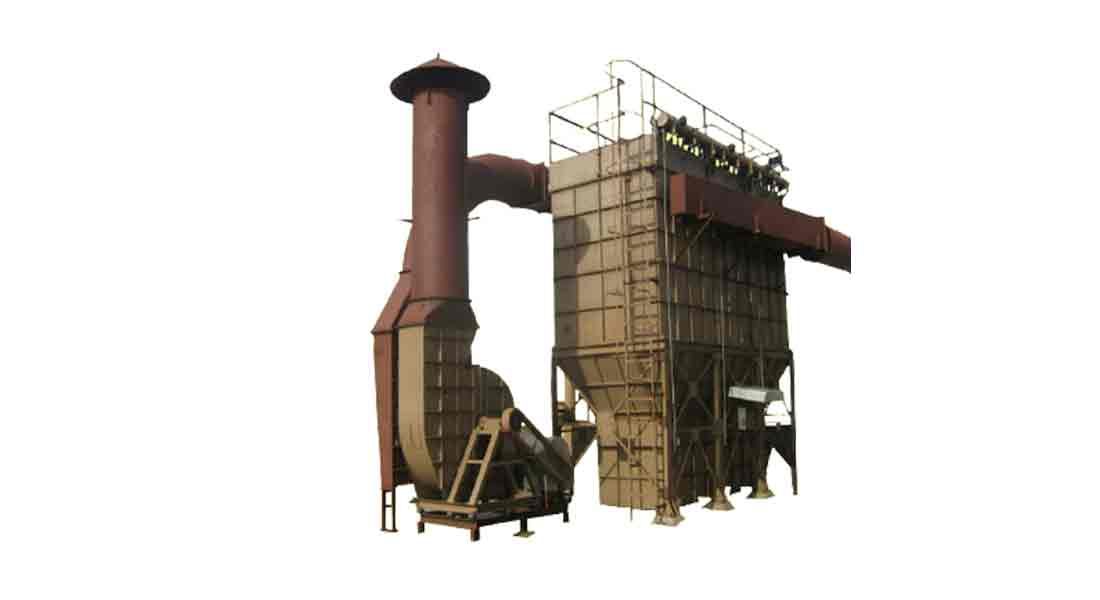
Bag Filter
Fabric filters in polyester, polypropylene, Ryton and Nomex. Efficiency to 99.9% down to 5 micron.
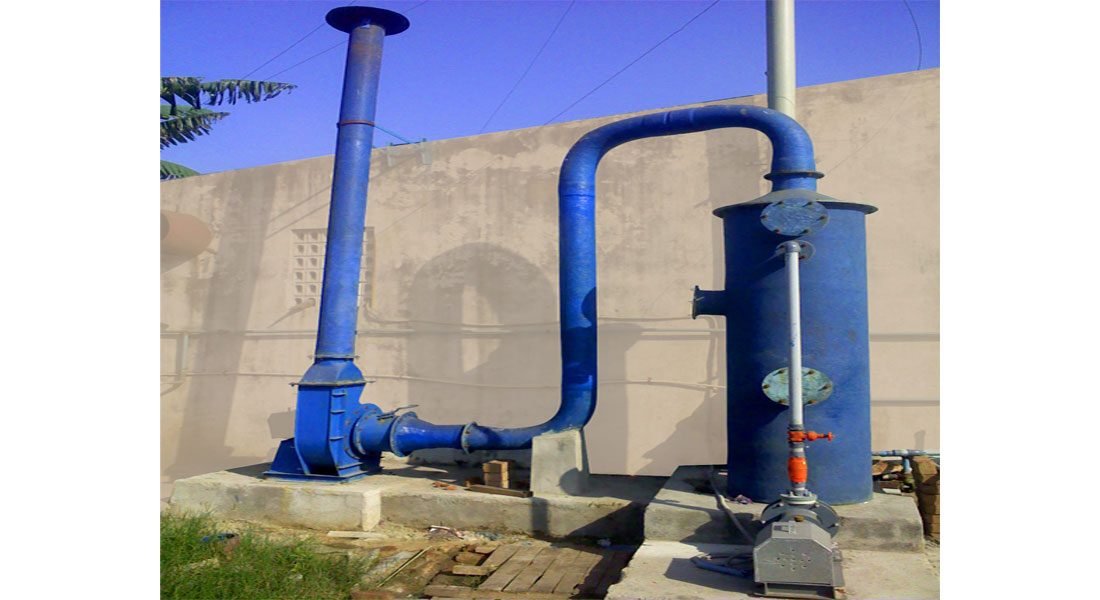
Wet Scrubber
Static, spray tower, packed bed, venturi and cyclonic spray types. Efficiency to 99.9% down to 5 micron.
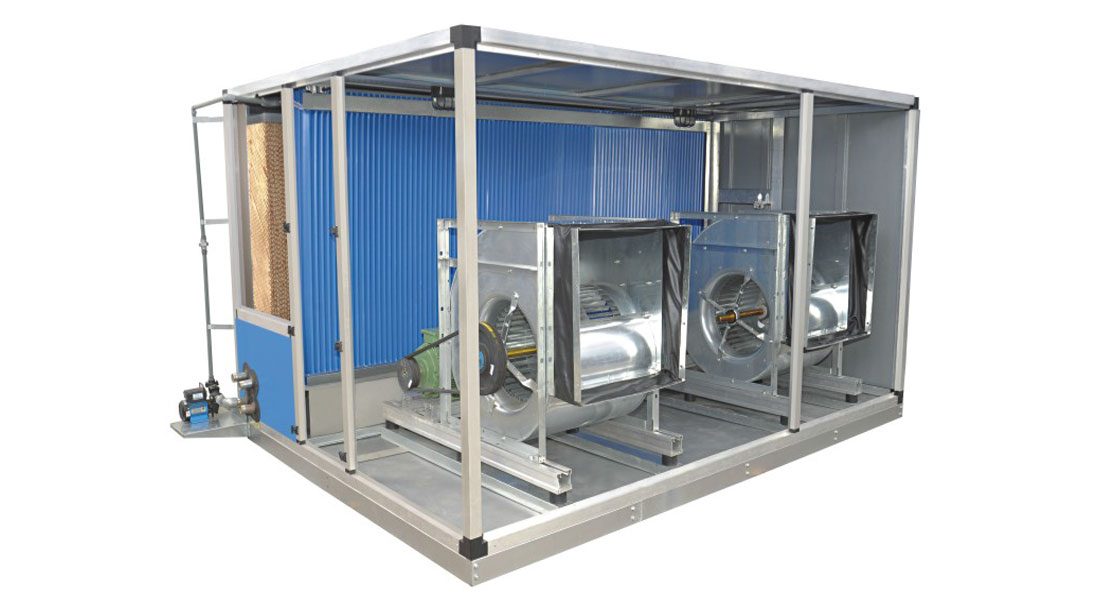
Ventilation System
Supply and exhaust ventilation, evaporative cooling, roof extractors, jet fans and air distribution.
Information needed to select or quote
- Duty point. Volume flow and static pressure at the fan inlet, with the gas density and temperature or the conditions to derive it.
- Operating conditions. Site altitude, normal operating temperature and continuous or intermittent duty.
- Gas stream. Dust loading and particle size, corrosive species, moisture, upset temperature and any tendency of the material to deposit on the impeller.
- Mechanical. Rotation viewed from the drive end, discharge orientation and motor power.